The global market is a vast landscape where understanding the dynamics is crucial. With average daily trading volumes exceeding $6 trillion, it is essential for participants to navigate this environment effectively. This requires a strong mental framework.
Mastering the mindset is vital as the market operates around the clock. Traders engage in the exchange of one currency for another, making it necessary to develop discipline. Recognizing the potential for profits is important, but so is understanding the risks involved.
Many investor accounts face losses due to the complexities of the market. This guide will delve into managing your mindset and analyzing major currency pairs. By doing so, you can work towards achieving your long-term investment goals.
Additionally, we will explore how to handle both losses and gains. A robust psychological approach can help you avoid common pitfalls that lead to losing money rapidly. Understanding these factors is the first step toward success.
Understanding the Role of Psychology in Forex Trading
A trader’s mindset plays a pivotal role in navigating the complexities of the market. The 24-hour trading cycle, which spans major financial centers like London, New York, Tokyo, and Sydney, demands that traders maintain a consistent psychological state. This consistency is essential for handling continuous price fluctuations.
Psychological resilience is vital in this decentralized environment. Here, one currency is constantly compared to another, determining relative value. When traders fail to manage their emotions, they often experience losses due to poor decision-making under pressure.
Understanding that complex instruments come with high risks helps traders maintain a realistic perspective on potential profits. Emotional reactions to market volatility can lead to losing money rapidly. By studying how major currency pairs react to global events, traders can better prepare for the psychological challenges they face.
Essential Forex Trading Psychology Strategies
To thrive in the market, one must grasp the underlying psychological dynamics. Identifying psychological barriers is crucial, especially when dealing with complex instruments that come with high risks. Many traders struggle with the fear of losing money rapidly due to leverage, which often clouds their judgment when analyzing major currency pairs.
A disciplined approach to trading helps mitigate the risks associated with the fact that many investor accounts lose money trading. By recognizing that one currency is always in flux, traders can better manage their expectations regarding potential profits and losses.
Psychological barriers often manifest when traders over-leverage their positions. Developing a strategy that accounts for market volatility is one of the best ways to protect your capital from the risks of losing money rapidly. Consistent practice allows traders to build the experience needed to navigate the market effectively.
Techniques to Master Your Mindset

Achieving success in the financial markets requires a keen understanding of one’s mental approach. Developing effective techniques can help traders navigate the complexities of the market with greater ease.
Visualization and Mindfulness in Trading
Visualization techniques help traders maintain focus when dealing with complex instruments that come with high risks. Mindfulness allows them to remain calm when prices fluctuate, preventing emotional decisions that lead to losses.
- By practicing on a demo account, traders gain the experience necessary to manage their position size effectively before entering the live market.
- Traders who use visualization to prepare for market events are less likely to be caught off guard by risks.
- Developing a structured approach to your trading account ensures preparedness for volatility in major currency pairs.
Building Discipline Through Consistent Practice
Building discipline through consistent practice is essential for any trader. This approach helps avoid the reality that many investor accounts lose money trading.
- Consistent practice encourages better risk management, as traders recognize the potential for rapid losses.
- Discipline is the primary factor that separates successful traders from those who struggle with their accounts.
- By establishing routines, traders can enhance their decision-making processes and overall performance.
Implementing Effective Risk Management
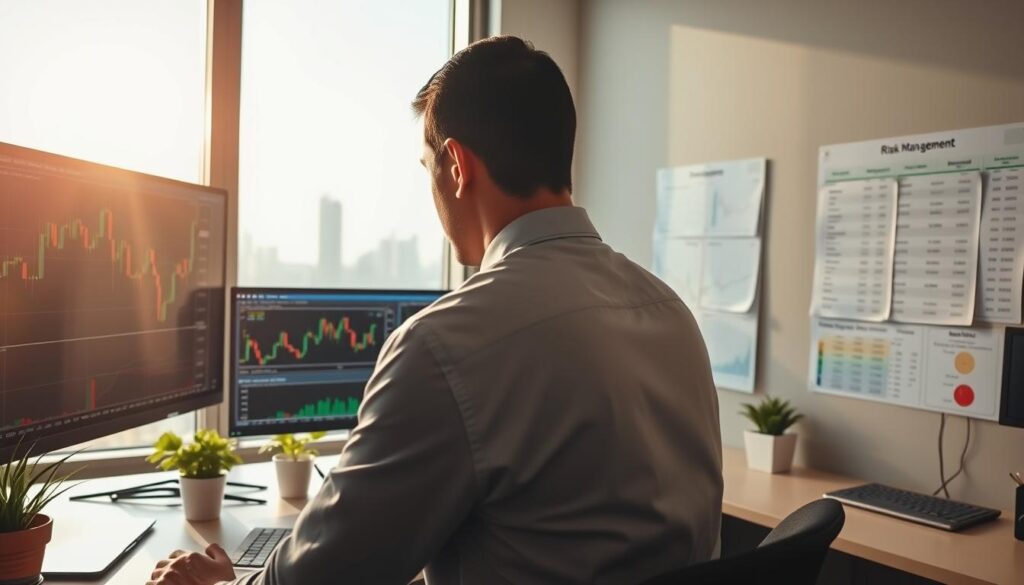
A sound risk management strategy is the backbone of successful trading. It is crucial for traders to understand how to manage their accounts and exposure effectively. This understanding helps mitigate potential losses and enhances overall performance.
Here are some key points to consider:
- Effective risk management is vital, especially when using a 5% margin requirement to control a £10,000 position in the market.
- Traders must recognize that complex instruments come with high risks, making account management a top priority.
- By limiting exposure on each trade, the likelihood of suffering losses due to leverage is significantly reduced.
- Managing position size is one of the most effective ways to prevent losing money trading.
- When trading one currency against another, always calculate potential losses to align with your risk management strategy.
The 5% margin example illustrates how leverage can amplify both gains and losses, underscoring the necessity of risk management for all traders. Protecting capital is essential, especially when dealing with high-risk instruments.
Using Technical Analysis to Support Trading Decisions
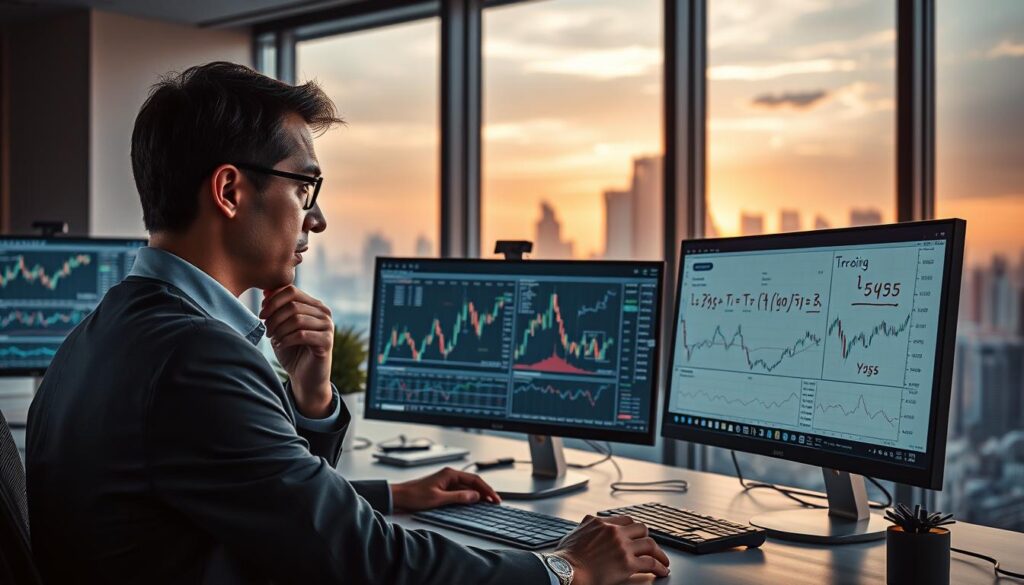
Technical analysis serves as a vital tool for traders seeking to enhance their decision-making in the market. By examining price movements and patterns, traders can identify potential entry and exit points.
Reading Charts and Recognizing Patterns
Reading charts is essential for understanding market trends. Traders who can recognize patterns are better equipped to make informed decisions. Here are some key points:
- Technical analysis involves reading charts to identify potential entry points when trading one currency against another.
- Traders use indicators to support their decisions, helping them navigate the market while avoiding the risks of losing money rapidly due to leverage.
- Recognizing patterns in price movements allows traders to manage their positions more effectively, reducing the chance that investor accounts lose money trading.
Integrating Economic and Market Indicators
Incorporating economic indicators into technical analysis enhances understanding of market dynamics. This approach provides traders with a structured method to make decisions:
- Using technical analysis to support trading account decisions is one of the best ways to improve long-term performance.
- When analyzing charts, traders should consider broader economic factors that influence the prices of major currency pairs.
- Mastering the art of reading charts helps traders handle the volatility that often leads to losses.
The Impact of Leverage in Forex Trading
Understanding how leverage operates is essential for navigating today’s volatile markets. Since the end of the Bretton Woods system in 1971, leverage has become a defining feature of the modern market. It allows traders to control larger positions, amplifying both potential profits and risks.
When trading one currency against another, leverage can significantly impact an investor’s account. While it offers opportunities for gains, it also increases the risk of losses. This duality makes it crucial for traders to grasp margin requirements and their implications.
To manage these risks effectively, a disciplined approach is necessary. By understanding how margin works, traders can better manage their position sizes. This knowledge helps avoid common mistakes that often lead to investor accounts losing money rapidly.
- Leverage is a powerful tool that can enhance trading outcomes.
- However, it must be used with caution to mitigate the risks of losing money.
- Awareness of margin requirements is key to successful risk management.
Developing a Winning Trading Strategy
Establishing a robust strategy helps traders capitalize on opportunities while managing risks. A successful approach begins with setting realistic goals, especially when dealing with complex instruments that come with high risks. Traders should consider their individual circumstances and the level of risk they are willing to accept.
Adapting your strategy to market volatility is essential. This flexibility ensures that your trading account remains protected against rapid losses. For instance, when prices fluctuate, traders must adjust their positions accordingly to avoid emotional decisions that could lead to significant losses.
- Traders who set clear benchmarks can better evaluate their performance in the global market.
- A well-defined strategy accounts for the inherent risks of complex instruments, allowing for more informed decisions.
- By focusing on long-term goals, traders can enhance their chances of success and avoid the pitfalls of short-term thinking.
- Consistent performance stems from a strategy that prioritizes risk management over the pursuit of quick profits.
Navigating Global Financial Markets

The ability to analyze currency dynamics is crucial for capitalizing on market opportunities. In April 2025, the global market’s daily turnover reached a staggering $9.6 trillion. This immense scale offers vast potential for traders who understand how to navigate these waters.
London remains the leading hub, accounting for 37.8% of global trading. This dominance shapes how traders approach major currency pairs and influences their strategies. Understanding how one currency interacts with another is vital in this context.
However, traders must remain cautious. CFDs and other complex instruments come with high risks, especially when leverage is involved. Rapid losses can occur, even in highly liquid markets. Analyzing currency pair dynamics allows traders to identify opportunities while managing these risks effectively.
By staying informed about global events, traders can better protect their accounts from unexpected volatility. Building a diverse portfolio through major currency pairs is essential, but awareness of potential losses is key to long-term success.
Incorporating Fundamental and Technical Analysis
The integration of economic indicators with technical analysis is crucial for effective trading strategies. This combination helps traders understand market dynamics and price movements better.
Economic indicators play a vital role in determining the price of one currency against another. They influence traders’ decisions globally, shaping their approach to market opportunities.
- Fundamental analysis, combined with technical tools, helps traders understand why complex instruments come with high risks of losing money rapidly due to leverage.
- By incorporating both types of analysis, traders can better manage their positions and avoid the risks of losing money.
- Traders who ignore economic indicators often find that their accounts lose money due to unforeseen market shifts.
- Understanding the role of central banks is essential for any trader looking to navigate risks effectively.
- A balanced approach to analysis is the best way to protect your trading account from potential losses.
Overcoming Losses and Learning from Trades
Every trader faces the challenge of overcoming losses, which is an essential part of the trading journey. Dealing with complex instruments can lead to high risks and rapid losses. Therefore, learning from past trades helps refine your approach and avoid common mistakes.
Each loss is an opportunity to improve risk management and ensure your trading account remains viable in the long term. When you lose money trading, it is important to analyze what went wrong and adjust your strategy to prevent future losses.
- Traders who learn from their mistakes are better equipped to handle the risks of losing money rapidly.
- By keeping a detailed record of your trades, you can identify patterns that lead to losing money.
- Resilience is key, as even the most successful traders have experienced the pain of losing money.
- Focus on the process rather than the outcome to ensure your trading account grows steadily over time.
From Demo Trading to Live Investments: Psychological Techniques
Transitioning from a demo account to live trading is a significant milestone for many investors. This change brings new challenges, especially when dealing with complex instruments that come with high risks. Traders often feel the pressure of real-money trading, which can lead to panic and poor decisions.
Psychological techniques are essential for managing this stress. Here are some effective strategies:
- Use your demo account experience to build a solid foundation before risking your capital on one currency against another.
- Starting with smaller positions can ease the transition and protect your trading account from the risks of losing money rapidly due to leverage.
- The transition period is an ideal time to test your strategy and ensure it can handle the volatility of the live market.
- Success in live trading requires the same discipline practiced in your demo account, helping you avoid losses.
- Always prioritize risk management, especially when dealing with CFDs and other high-risk instruments.
Real-World Examples and Case Studies in Forex Trading
Real-world events in the financial markets provide invaluable lessons for traders. Understanding these events can enhance decision-making and risk management strategies.
For instance, in 2015, the Swiss National Bank dropped the peg with the euro, causing the Swiss franc to soar by up to 30%. This event serves as a powerful example of how market shocks can lead to significant losses for unprepared traders.
Similarly, in 2016, the Canadian dollar fell to a record low of 1.46 as oil prices tumbled below USD 30 per barrel. This situation highlighted the risks of trading one currency against another without proper risk management.
- These case studies demonstrate why complex instruments come with high risks of losing money rapidly due to leverage.
- Learning from market events helps traders understand the importance of protecting their trading accounts from unexpected volatility.
- Even experienced traders can be caught off guard, leading to the reality that investor accounts lose money trading during major shifts.
- By studying these examples, traders can develop a more robust approach to their accounts and avoid the risks of losing money rapidly.
- Real-world events prove that complex instruments come with high risks, regardless of strategy.
Mindset Shifts for Long-Term Forex Trading Success
Long-term success in the financial markets requires a shift in mindset that prioritizes continuous learning. Traders must recognize that adapting to changes is crucial in a volatile environment.
Embracing continuous improvement is essential. This mindset ensures that your trading account grows despite the risks associated with high-leverage instruments. By focusing on refining strategies, traders can better manage the risks of losing money rapidly.
Embracing Continuous Improvement
Success is not about avoiding all losses but managing your account effectively. A professional mindset is vital for anyone aiming to survive in the market.
Developing an Adaptive Approach
Traders who focus on long-term growth are less likely to lose money trading due to short-term emotional reactions. Stay committed to your goals and always be willing to learn; this is the only way to achieve lasting success.
Final Thoughts and Future Outlook in Trading Mindset
Success in the financial landscape requires a robust mindset to navigate its challenges. Mastering your mindset is the final step toward becoming a successful trader who can effectively manage the risks associated with high-leverage instruments.
As the market continues to evolve, opportunities will arise for those who maintain discipline in their trading account management. By avoiding common pitfalls that lead to investor accounts losing money, traders can build sustainable careers.
Stay focused on long-term goals and commit to continuous learning. This dedication is vital for preventing rapid losses and achieving lasting success. Remember, your trading account is your most valuable asset; protect it diligently.
With the right mindset and a disciplined approach, navigating the complexities of the market becomes achievable, paving the way for investment goals to be realized.