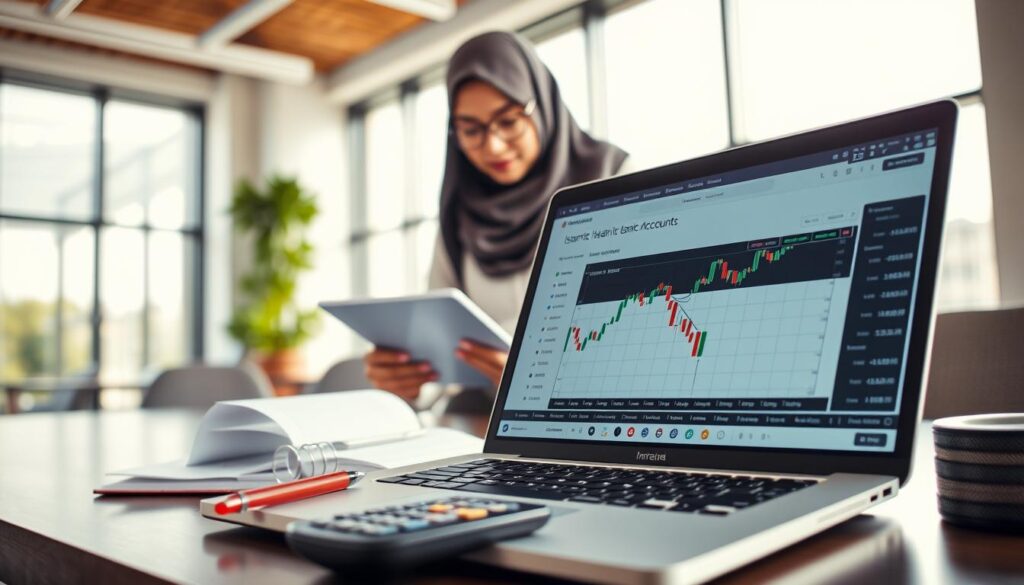
A simulated trading environment offers a risk-free way to develop skills in financial markets. This type of setup provides virtual capital, allowing individuals to practice execution without financial exposure.
Traders can access three powerful platforms: MetaTrader 4, MetaTrader 5, and cTrader. Each system delivers full functionality with real-time pricing that mirrors live conditions. Users receive substantial virtual funds to test approaches across various asset classes.
This comprehensive guide explores how to maximize the learning experience. Both newcomers and seasoned professionals will find value in the unlimited practice time available. The content covers everything from registration to platform selection.
Understanding these tools helps build confidence before moving to live execution. The following sections provide detailed insights into features and practical steps for success.
You can also explore our complete Forex demo accounts overview to compare FP Markets with other major brokers.
Overview of FP Markets Demo Account
Traders can access a practice environment that mirrors real market conditions using virtual capital. This setup provides a risk-free space to develop skills across various financial instruments.
The simulated trading platform delivers real-time pricing identical to live market conditions. Users receive substantial virtual funds, typically between $50,000 and $100,000, allowing realistic position sizing practice.
This educational tool serves multiple purposes for different experience levels. Beginners can learn market dynamics while experienced traders test new strategies. The environment helps evaluate the broker’s execution speed and platform usability.
One significant advantage is the unlimited access period. There’s no expiration date, enabling extended practice time. This bridges the gap between theoretical knowledge and practical application.
The demo account provides full market access across Forex, commodities, indices, and cryptocurrencies. It prepares traders for both technical and psychological aspects of live execution.
Explaining Demo Trading & Its Benefits
Virtual trading setups eliminate monetary concerns while delivering authentic market exposure. These practice environments provide valuable learning opportunities for individuals at all skill levels.
Risk-Free Trading Advantage
One significant benefit involves trading without financial exposure. Users can experiment with different approaches using virtual funds.
This eliminates the pressure of potential losses during the learning process. The unlimited access period allows extended practice to master various techniques.
Familiarizing with Real-Time Market Conditions
Practice platforms deliver genuine market dynamics with live pricing and spreads. Traders experience actual volatility patterns and execution speeds.
This realistic simulation helps develop timing skills and market awareness. Exposure to different sessions and economic events builds practical understanding.
Users gain appropriate expectations about market behavior before committing real capital. The experience bridges the gap between theoretical knowledge and practical application.
Navigating the Trading Platforms (MT4, MT5 & cTrader)
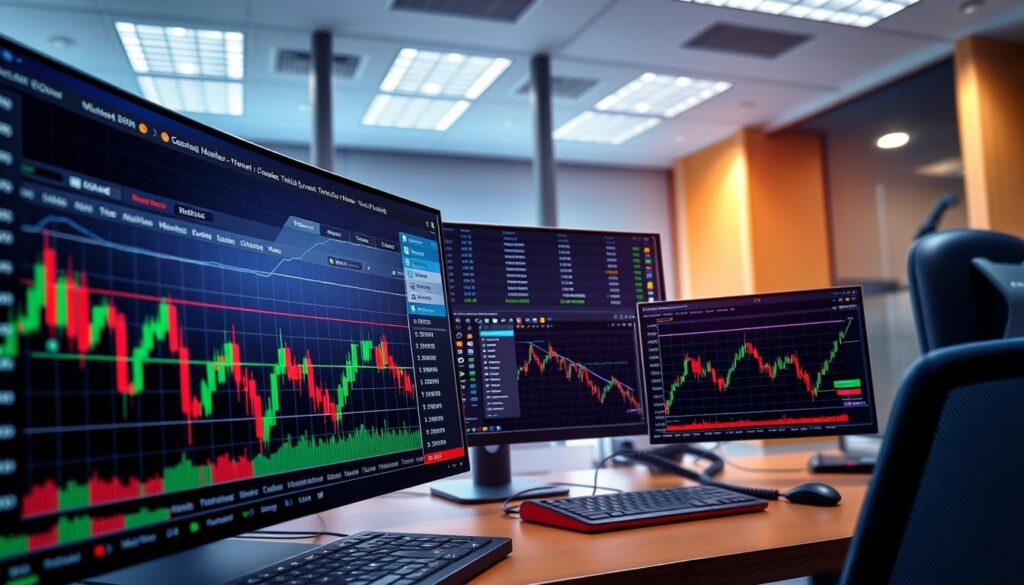
The choice of trading software significantly impacts execution quality and user experience. Each platform offers distinct advantages tailored to different trading styles and experience levels.
Understanding these differences helps traders select the most suitable environment for their needs. The available options cater to both beginners and experienced market participants.
MT4 and MT5 Features Explained
MetaTrader 4 remains popular for its simplicity and extensive indicator library. This platform supports automated trading through Expert Advisors.
MetaTrader 5 represents an advanced version with expanded functionality. It offers more timeframes, additional order types, and integrated economic calendar features.
Both systems provide comprehensive charting tools for technical analysis. The interface design ensures smooth navigation across different market instruments.
cTrader Benefits for ECN Traders
cTrader delivers exceptional speed and transparency for Electronic Communication Network trading. The platform shows Level II pricing with clear market depth visibility.
This system provides direct market access without dealer intervention. Traders experience faster order execution and potentially better pricing.
The intuitive interface includes advanced charting and one-click trading capabilities. Sophisticated risk management tools help protect capital effectively during volatile conditions.
Steps to Open Your FP Markets Demo Account
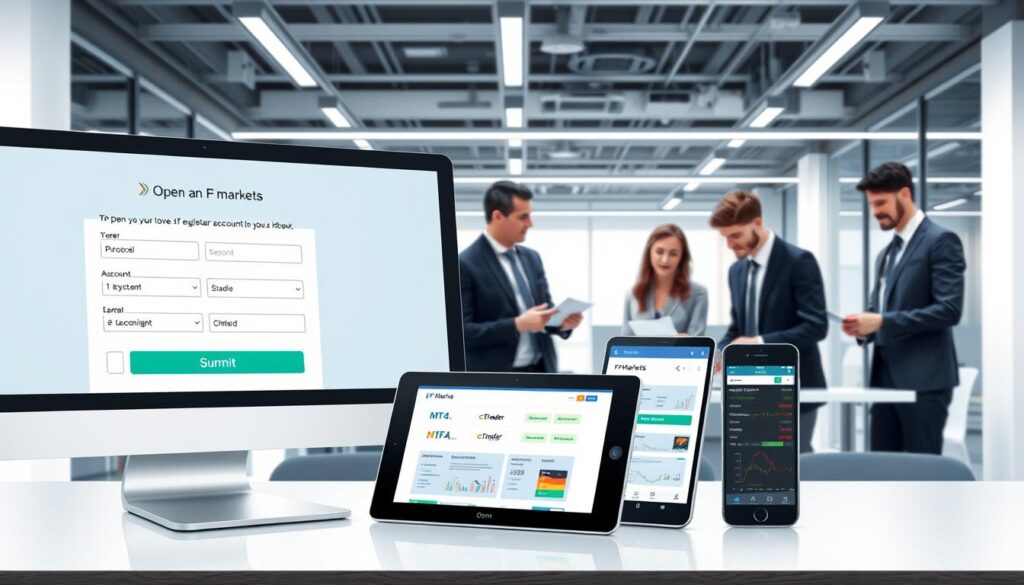
Beginning your trading education journey starts with creating a simulated environment through registration. The process involves straightforward steps that lead to immediate access.
Users can begin by visiting the official website and locating the demo sign-up option. This initial step requires basic personal information to proceed.
Simple Registration Process
The registration form asks for essential contact details including full name and phone number. Providing accurate information ensures smooth verification.
After entering these details, users create login credentials for their new practice environment. The system processes this information quickly for instant access.
Choosing the Right Platform & Currency
Selecting the appropriate trading software represents a critical decision during setup. Each platform offers unique features catering to different experience levels.
The currency selection affects how virtual funds display in the practice environment. Choosing a base currency that matches future trading plans creates consistency.
This careful platform choice and currency selection establish the foundation for effective learning. Users can test different configurations to find their ideal setup.
Maximizing the Demo Trading Experience

Building trading proficiency requires deliberate practice within a controlled environment. Traders can transform their virtual sessions into powerful learning opportunities through specific techniques.
Approaching practice with the same discipline as live execution creates lasting habits. This mindset helps bridge the gap between simulation and real market conditions effectively.
Implementing Effective Risk Management
Virtual capital should be treated with the same respect as real money. Setting realistic position sizes and using stop-loss orders develops crucial discipline.
This practice helps traders understand how risk exposure affects decision-making. Proper risk techniques become second nature when consistently applied during practice sessions.
Testing and Refining Trading Strategies
The simulated environment allows thorough evaluation of different approaches without financial pressure. Traders can assess how strategies perform across various market conditions.
Extended testing periods reveal which methods deliver consistent results. This process helps identify the most suitable approaches before committing real capital.
Keeping a Detailed Trading Journal
Documenting every virtual transaction accelerates learning and pattern recognition. Recording entry points, market conditions, and emotional states provides valuable insights.
Regular review of journal entries highlights recurring mistakes and successful patterns. This reflective practice transforms random trading into systematic skill development.
Consistent documentation creates accountability and promotes continuous improvement. The habits established during practice sessions contribute significantly to long-term success.
Transitioning from Demo to Live Trading

Successful navigation from virtual trading to live market participation depends on maintaining consistent discipline and methodology. This shift represents a significant psychological milestone where real capital enters the equation.
The preparation phase involves several practical steps. Traders must deposit minimum funds and complete identity verification procedures. These administrative tasks ensure regulatory compliance before entering live markets.
Preparation for Live Market Trading
Approaching initial live trading sessions requires treating them as extensions of practice. The strategies that demonstrated success in simulated environments should be replicated exactly. This consistency helps maintain psychological equilibrium during the transition.
Many individuals experience performance deterioration when moving to real money execution. Emotional factors often cause this decline rather than strategy failures. Maintaining detailed journals for both demo and live trades allows comparison and behavioral analysis.
Leveraging Demo Success for Real Trades
The experience gained from practice sessions dramatically improves live trading performance. Proven risk management parameters and trading routines should remain unchanged. This approach converts virtual success into consistent real-world results.
Avoiding common transition mistakes ensures smoother adaptation. These include treating practice as mere entertainment rather than serious preparation. Proper position sizing and realistic expectations establish foundations for sustainable trading careers.
Comparing Live Account Types at FP Markets
The selection of an appropriate account type directly influences trading costs and execution parameters. Different trading styles benefit from specific configurations that optimize performance.
Traders should carefully evaluate their needs before choosing between available options. This decision affects spreads, commissions, and overall trading experience.
Standard vs Raw Account Features
The Standard account type offers spreads starting from 1.0 pip with zero commission charges. This setup suits traders preferring straightforward pricing without additional fees.
Raw accounts provide spreads from 0 pips but include a $3 commission per trade. This structure benefits high-volume participants seeking tighter spreads.
Both account types support advanced platforms including MT4, MT5, and cTrader. Retail clients receive leverage up to 1:30 across various instruments.
Exploring Advanced Account Options
Professional traders can apply for enhanced accounts with higher leverage capabilities. These options offer forex leverage up to 1:500 for qualified individuals.
Approval requires meeting two of three specific criteria. Applicants need significant trading volume, portfolio size exceeding €500,000, or professional financial experience.
The minimum deposit for retail accounts is $50/€50/£50 regardless of type chosen. This accessibility makes entry straightforward for new participants.
Traders can execute positions as small as 0.01 lot sizes. This flexibility accommodates various risk management strategies and capital levels.
Detailed Guide on Registration for FP Markets Live Account

Opening a live trading account requires completing a straightforward registration process that typically takes around ten minutes. This procedure ensures proper documentation and regulatory compliance before market access.
Step-by-Step Live Account Setup
Begin by visiting the homepage and clicking the open live button to initiate registration. Users can sign up using email, Google, or Facebook credentials for convenience.
The first section requests basic personal information including full name and phone number. Applicants must confirm they are 18 or older before proceeding to the next step.
Additional details like date of birth, passport number, and residential address follow. Financial information including employment status and annual income completes the profile setup.
Understanding KYC & Verification
The Know Your Customer process is mandatory for all participants seeking live market access. This regulatory requirement prevents financial crimes while protecting legitimate traders.
Document verification typically involves submitting government-issued identification and proof of address. Common documents include passports, driver’s licenses, and recent utility bills.
Approval usually occurs within one hour, though some cases may require up to one business day. Funds cannot be deposited and live execution remains unavailable until verification completes successfully.
Once approved, users receive their trading account number via email confirmation. This marks the final step before accessing real market conditions with actual capital.
Essential Tools and Instruments Offered by FP Markets
Trading platforms become more versatile when paired with extensive instrument selections across global markets. The available options span multiple asset classes through contract for difference products.
This diversity allows participants to build comprehensive portfolios without switching between different providers. Each instrument category offers unique opportunities for various trading strategies.
Wide Range of Tradable Instruments
Forex enthusiasts can access over 60 currency pairs including major combinations like EUR/USD and USD/JPY. These pairs cater to different risk appetites and trading styles.
Share CFDs provide exposure to popular company stocks without owning underlying assets. Traders can speculate on price movements of companies like Apple and Tesla.
Indices covering major global benchmarks offer broad market exposure. Options include US500, CHINA50, and EURO50 representing different economic regions.
Cryptocurrency CFDs allow speculation on digital assets like Bitcoin and Ethereum. Metals and commodities round out the selection with precious metals and energy products.
All instruments operate through CFD mechanisms enabling both long and short positions. This flexibility supports diverse approaches to market participation.
For a side-by-side broker analysis, see our best Forex demo accounts guide.
Final Thoughts on Your Trading Journey with FP Markets
The path to trading proficiency begins with building confidence through risk-free practice. A well-structured demo account serves as the ideal starting point for this educational journey.
Traders gain valuable experience without pressure, developing discipline and testing strategies. This preparation phase helps build the patience needed for successful live trading. The unlimited practice time allows skill development at an individual pace.
When ready to transition, the broker offers comprehensive support through multiple platforms and diverse instruments. View this practice period as an investment in education rather than a delay. Proper preparation dramatically improves long-term success probability.
Begin your journey today by opening a practice environment. Build the competence and confidence needed for sustainable market participation.