Choosing the right platform is a crucial first step for anyone entering the currency markets. The type of brokerage account a person selects can directly impact their strategy, costs, and overall experience.
In traditional forex trading, holding a position open overnight typically incurs a fee. This charge, known as swap or rollover interest, is a core feature of standard setups.
For some market participants, these overnight fees present a significant hurdle. They may conflict with personal beliefs or simply eat into potential profits from longer-term strategies.
This is where a specialized alternative becomes relevant. Often called Islamic accounts, these platforms remove the swap charge entirely. This makes them suitable for traders who follow specific religious guidelines or who wish to avoid interest-based costs.
The decision between these two main options depends on several factors. A trader’s holding period, strategic approach, and cost management goals all play a part. For participants in the United Kingdom, understanding this choice is key to optimizing their activity in the markets.
This article will provide a detailed look at how each account type works. It will explore the distinct advantages and potential drawbacks to help you make an informed selection.
Understanding Forex Trading Account Options
A core decision for any market participant is the type of financial setup they will use. This choice shapes cost structures and operational rules.
Overview of Account Types
Two primary models exist in the currency markets. The standard model applies a daily charge for positions held past the market’s close. This fee is based on the difference in national interest rates.
The alternative model removes these overnight charges entirely. It was designed for individuals following Sharia law, which forbids interest. This platform type is now used by many for its cost predictability.
Neither model is universally better. Suitability hinges on a person’s strategy, holding period, and personal requirements.
Relevance for UK Traders
For participants in the United Kingdom, both options are readily accessible. The Financial Conduct Authority (FCA) oversees brokers offering these services.
UK-based individuals should consider several factors when selecting their platform:
- The planned duration for holding positions.
- Specific religious or ethical guidelines.
- Overall cost management goals.
- The instruments they intend to trade.
This regulatory environment ensures that British traders can choose a setup that aligns perfectly with their approach to the markets.
What is a Swap-Free Account?
Some market participants require a setup that completely avoids interest-based charges on their positions. This specialized platform is commonly called an Islamic or swap-free account. It eliminates the rollover interest applied when trades are held past the daily cut-off time.
Key Features and Benefits
The core characteristic is the removal of all overnight financing costs. This provides clear cost predictability for strategies involving longer holds.
Swing and position traders often find this structure advantageous. The compounding effect of daily charges can significantly impact multi-day trades. However, this works both ways. Traders also forgo any potential credits from favorable interest rate differentials.
Primary features include:
- No rollover interest on positions held overnight.
- Adherence to specific ethical finance principles.
- Potential for reduced costs on extended trades.
Compliance with Islamic Finance Principles
These platforms are designed to comply with Sharia law, which prohibits riba (interest). They serve Muslim traders adhering to these religious guidelines.
Many other individuals choose this option for strategic reasons, simply to avoid interest costs. Brokers offering these services may set certain conditions. These can include limits on how long a position can be held.
Providers also reserve the right to revoke the special status if they detect misuse of the terms. This ensures the platform’s integrity for all users.
Exploring Regular Forex Accounts

The standard forex trading model incorporates a daily financing mechanism for positions held beyond the market close. This setup is the default for most brokers.
Mechanics of Overnight Swap Fees
When a trade remains open past the daily rollover time, typically 22:00 GMT, a financing charge applies. This fee or credit depends on the trade’s direction and the underlying interest rate differential.
It functions like a savings account. Holding a currency with a higher interest rate may earn a small credit. Conversely, holding one with a lower rate usually incurs a cost.
Impact of Interest Rate Differentials
The core calculation hinges on the difference between the rates of the two currencies involved. This interest rate differential determines the swap fees magnitude.
Brokers often add a markup to the base rate. Therefore, the actual charge can vary. Central bank policies and market conditions also influence these rollover costs.
Traders must factor this into their strategy for longer holds. The rollover can accumulate over time, affecting overall profitability.
swap free vs regular account: Comparing the Two Approaches
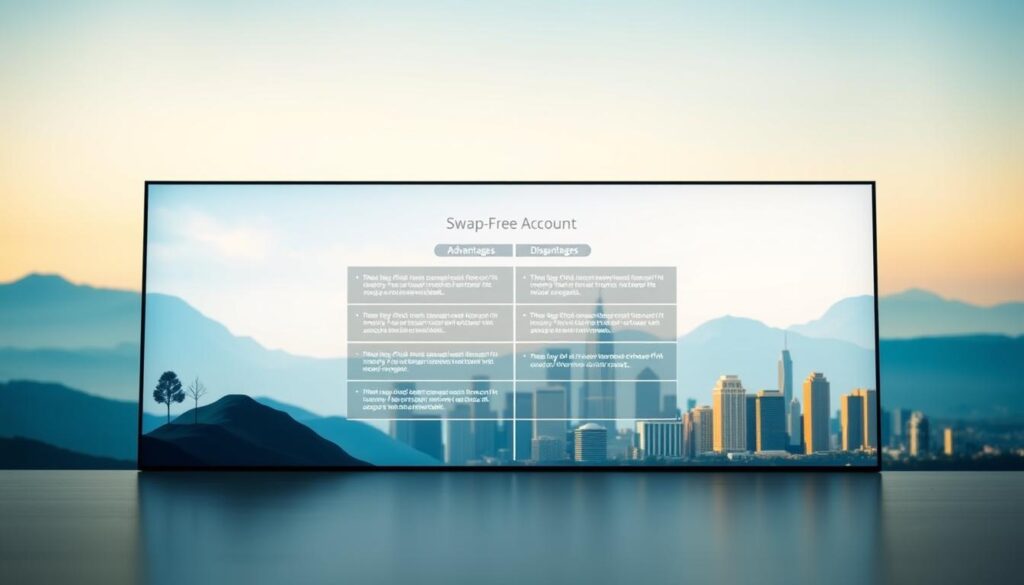
Evaluating the core differences between these platforms is essential for aligning one’s trading approach with the most cost-effective setup. The comparison hinges on cost structure, instrument access, and strategic fit.
Pros and Cons of Each Account Type
The standard model offers the possibility of earning credits from favorable interest rate differentials. It also provides access to all available instruments without restrictions.
Its main drawback is the accumulation of negative charges on longer-term positions. This can erode profits over time.
The alternative model eliminates all overnight financing costs. This provides cost predictability and adheres to specific religious principles.
Potential downsides include limited instrument availability and the forfeiture of any positive swap credits. Brokers may also monitor activity on these specialized platforms.
Which Trading Strategies Benefit Most?
Day traders and scalpers who close positions within hours rarely incur swap charges. A standard account is typically sufficient for their needs.
Swing and position traders benefit significantly from the swap-free structure. Holding trades for days or weeks avoids the compounding effect of daily fees.
The optimal choice depends on an individual’s holding period, religious requirements, and overall strategy. Neither account type is universally superior.
Cost Implications and Interest Charges in Forex Trading

The cumulative effect of daily financing charges can silently erode profits from extended market positions. Understanding these cost implications is vital for accurate profit forecasting and strategy selection.
How Swap Fees Affect Long-Term Positions
For trades held over weeks or months, small daily interest charges compound into a significant sum. This accumulation can turn a seemingly profitable trade into a break-even or losing position.
Swing and position traders who hold positions for long durations feel this impact most. Eliminating these overnight fees can directly improve net profitability.
Calculating Interest Charges for Regular Accounts
Calculating these costs involves several variables. Traders must consider the notional value, the interest rate differential, and the number of days a trade is open.
Most brokers provide swap rate tables or calculators. The basic formula multiplies position size by the daily fee and the holding period.
Key calculation factors include:
- The specific currency pair and its interest rate difference.
- The broker’s markup on the base rate.
- The exact number of days the position is maintained.
Money saved from avoiding these charges can be reinvested. It helps offset other trading costs like spreads. Remember, CFDs are complex instruments with a high risk of losing money rapidly due to leverage. Many retail investor accounts lose money. Traders must assess if they understand the risks and can afford to take them.
Trading Strategies and Suitability Considerations
The effectiveness of a trading plan can be heavily influenced by the underlying cost mechanics of the platform used to execute it. Selecting the right structure depends heavily on one’s methodology and typical holding period.
Day Trading versus Long-Term Hold Strategies
Strategies that close all positions within a single day are largely unaffected by overnight financing. Scalpers and day traders rarely hold positions past the daily cutoff.
In contrast, swing and position traders benefit more from specialized platforms. Holding a trade for multiple days or weeks avoids accumulating nightly charges. This is also crucial for muslim traders adhering to specific finance principles.
Hedging strategies can incur costs on both sides of the trade in a regular setup. A swap-free alternative removes this potential double charge.
Risk Management in Swap and Swap-Free Scenarios
In a standard account, overnight costs must be factored into risk calculations. This affects position sizing and profit target placement.
The alternative model offers cost predictability. This allows for clearer long-term planning without variable financing fees.
Traders using a carry trading strategy actively seek positive interest differentials. For them, the specialized platform is unsuitable. An honest assessment of one’s trading style is the best guide.
Regulatory, Geographic, and Broker-Specific Considerations

The rules governing forex trading platforms are shaped by both geography and regulatory bodies. For participants in the United Kingdom, the Financial Conduct Authority (FCA) establishes the framework. This ensures client protection and clear disclosure for all account types.
UK Market Regulations and Broker Policies
Eligibility for specialized platforms often depends on location. Many brokers automatically provide them to residents of numerous Islamic nations.
For UK-based individuals and others, access is usually through a conditional program. Trading activity determines ongoing status. To maintain it, participants must trade mostly within the day.
They must also hold a low amount of overnight positions. Algorithms monitor this behavior to ensure compliance.
The list of eligible financial instruments is specific. It typically includes major and minor currency pairs, along with indices and cryptocurrencies.
Swaps are still charged on other assets. This includes exotic pairs, individual stocks, and most metals. Broker policies on leverage and other conditions can differ.
Providers reserve the right to modify programs. Careful review of a platform’s terms is therefore essential before accessing these services.
Key Takeaways for Selecting the Right Trading Account
To build a sustainable approach, market participants must match their account type to their operational style. The best choice hinges on your typical holding period, strategic goals, and any religious guidelines.
Swing and position traders often benefit most from structures that avoid overnight financing. Those who close deals within a single day may find standard setups sufficient. An honest review of your habits is essential.
Always examine a broker’s specific terms for eligible instruments and potential restrictions. Consider all costs, including spreads and commissions, not just overnight fees.
Many providers allow users to maintain multiple setups. This lets you allocate trades strategically based on their expected duration. Testing options with a demo or small live portfolio is a wise final step before committing significant capital.
Informed selection, combined with sound strategy and risk management, forms the foundation for long-term success. Remember, trading involves risk, and it is possible to lose money.