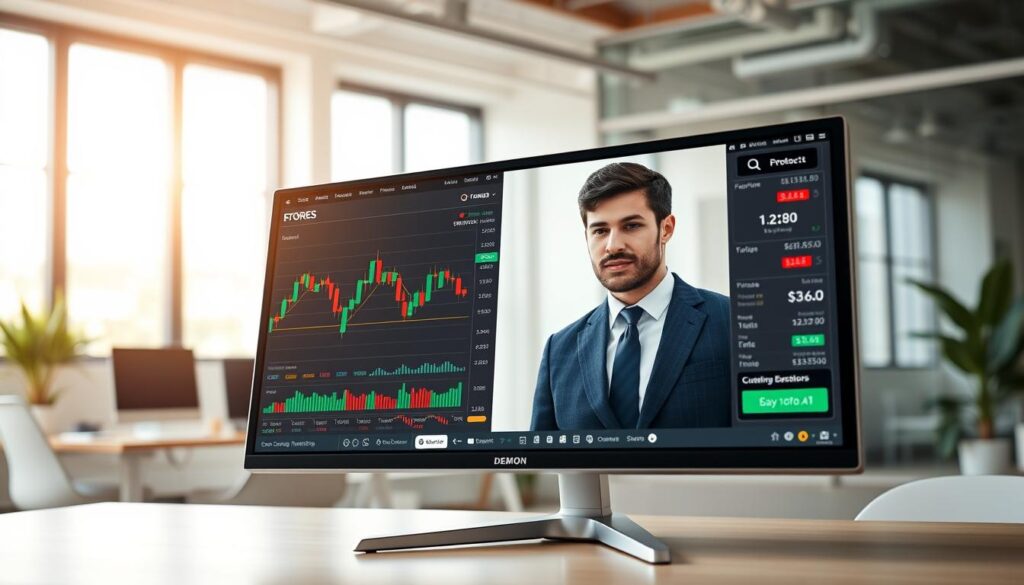
The world of currency exchange is both exciting and complex. Every day, over $5 trillion is traded globally, making it the most active financial market. This guide aims to help newcomers understand how to navigate this dynamic environment.
In this comprehensive resource, readers will discover essential concepts and strategies to effectively speculate on currency price movements. Understanding the basics is crucial for anyone looking to take advantage of the fluctuations between different currencies.
By following a structured, step-by-step approach, new traders will learn how to operate in this fast-paced industry. With the right tools and knowledge, anyone can embark on their journey into the world of currency exchange.
Getting Started with Forex Trading for Beginners
Embarking on a journey in the currency market opens doors to a world of financial possibilities. To get started, individuals must recognize that forex trading presents unique opportunities to profit from the volatility of global financial markets.
The forex market operates 24 hours a day, five days a week. This allows traders to engage with the system at their convenience, making it an attractive option for many. Additionally, beginners often find that the high liquidity of this market provides a stable environment for learning how to trade.
Engaging in forex trading enables participants to diversify their investment portfolios. By speculating on the strength of one currency versus another, traders can enhance their financial strategies. Understanding the fundamental benefits of this market is the first step toward building a sustainable and long-term financial trading career.
Understanding the Forex Market
Navigating the world of currency markets offers a blend of excitement and complexity. The forex market is a decentralized arena where currencies are traded globally. In this market, the US dollar represents approximately 60% of all central bank foreign exchange reserves.
Major currency pairs dominate trading activity, accounting for 75% of all transactions. These pairs are favored by many due to their high liquidity, making them ideal for those new to this field. Additionally, there are over 300 FX pairs available, allowing traders to select pairs that fit their strategies.
Understanding how one currency performs against another is essential. The market operates by exchanging one currency for another, facilitating trades electronically among various counterparties worldwide.
- The forex market is decentralized, enabling global transactions without a central exchange.
- Major currency pairs are preferred for their liquidity and stability.
- Traders can choose from a vast selection of FX pairs tailored to their trading strategies.
- Monitoring currency performance is crucial for successful trading.
Essential Forex Trading Terminology
Understanding key terms in currency exchange is essential for successful participation. Knowledge of specific terminology helps traders navigate the market more effectively. Here are some critical concepts to grasp:
Pips, Spreads, and Leverage Explained
A pip represents a point in percentage, typically the fourth decimal point in a currency pair. It measures the smallest price change, allowing traders to assess market movements accurately.
The spread is the small fee included in the buy and sell price, indicating the difference between these two quoted values. This cost is crucial for determining overall profitability.
Leverage allows traders to control a large position with a small amount of capital. However, it significantly magnifies potential losses, making it essential to use cautiously.
Understanding Margin and Rollover Charges
Margin is the portion of the full trade value that a trader must put up to open a leveraged position. This ensures that the trader has enough capital to cover potential losses.
Holding costs, or rollover charges, apply to any position held past 5pm EST. These charges reflect interest rate differentials between currencies and can either be credited or debited to the account.
How to Open a Forex Trading Account

Opening a trading account is a vital step in the journey toward financial independence. To start, you must choose a regulated broker that offers a secure platform for your financial activities. This ensures that your transactions are safe and compliant with regulations.
A demo account is an essential tool for those new to the market. It allows users to practice trading with virtual money, giving them the chance to learn without risking real capital. This practice can be invaluable as it helps build confidence and familiarity with the trading platform.
When selecting a broker in the UK, look for one that provides excellent customer service and a user-friendly interface for your trading account. The process of verifying your identity for a live account usually takes a couple of days. This step is crucial to ensure compliance with financial regulations.
Practicing on a demo account not only helps you get accustomed to the platform’s features but also allows you to develop your trading strategies without the stress of losing actual money.
Building Your Personalized Trading Plan
Creating a personalized trading plan is crucial for success in the currency market. A well-structured plan helps eliminate emotional decision-making by establishing entry and exit strategies in advance. This foresight is vital in a market known for its volatility.
Defining risk tolerance is a critical step in this process. It dictates how much capital an individual is willing to lose on any trade. Understanding this helps traders make informed decisions that align with their financial goals.
Your objectives should be clearly outlined in your plan. This clarity ensures consistency in trading practices, regardless of market fluctuations. By adhering to a personalized plan, traders can avoid impulsive decisions that often lead to unnecessary losses.
Ultimately, a tailored trading plan serves as a roadmap. It allows individuals to evaluate their performance and refine their strategies after each trade, promoting continuous improvement.
Performing Effective Market Analysis

Effective market analysis is a cornerstone of successful currency speculation. It allows traders to anticipate price movements and make informed decisions. There are two primary methods of analysis: technical and fundamental.
Technical analysis involves using charts and indicators to predict future price movements based on historical data and market trends. This method helps traders identify patterns and potential entry or exit points.
Fundamental analysis focuses on economic news, such as interest rate changes or GDP reports, which influence the value of a currency. Understanding these factors is crucial for anticipating market shifts.
- Combining both technical and fundamental analysis provides a comprehensive view of the market.
- Traders often monitor economic calendars to stay updated on events that could cause significant price fluctuations.
- Effective analysis requires patience and the ability to interpret complex data.
Step-by-Step Guide to Executing Forex Trades
Knowing when to enter or exit a trade is crucial for achieving desired outcomes in currency exchange. This process involves careful consideration and analysis to make informed decisions.
When deciding to buy or sell, traders speculate on whether the base currency will strengthen or weaken against the quote. To execute a trade effectively, one must first determine their entry and exit points based on thorough research.
Going long means purchasing the currency pair, while going short indicates selling it, depending on market expectations. It is essential to ensure that trade execution aligns with your pre-established strategy. This consistency helps manage overall risk.
After placing a trade, closely monitor price movements to identify the optimal time to close your position. This vigilance can significantly impact your trading success.
Risk Management Strategies for Forex Trading

Managing risk is a fundamental aspect of successful currency exchange. Without proper strategies, traders may face significant financial losses. Thus, understanding how to implement effective risk management techniques is crucial.
One vital method is the use of a stop-loss order. This order automatically closes a trade if the price reaches a predetermined level. It helps protect against unexpected market movements.
Additionally, a take-profit order allows traders to secure profits when the market hits their target. This strategy removes emotional decision-making, enabling a more disciplined approach.
- Cutting losses early while letting profits run is a classic mantra for successful traders.
- Never risk more than you can afford to lose, as the market can be highly volatile.
- Automated orders help maintain discipline and protect your trading account from significant drawdowns.
Understanding and Managing Leverage
Leverage plays a pivotal role in the currency market, offering both opportunities and challenges. It allows traders to control large positions with a relatively small amount of capital. For instance, with 50:1 leverage, a $1,000 investment can control $50,000 in currency. This can lead to substantial gains, but it also significantly increases the risk of loss.
Due leverage requires careful management. It magnifies both potential profits and exposure to market volatility. Therefore, beginners should consider using lower leverage levels while they learn to manage their risk and understand market mechanics.
It’s crucial to understand that your total exposure in the market is based on the full trade value, not just your margin. By grasping these concepts, traders can make more informed decisions in their trading journey.
- Leverage is a powerful tool that can enhance trading potential.
- Understanding the implications of leverage is essential for risk management.
- Lower leverage is advisable for those still learning the market dynamics.
- Awareness of total exposure helps in making better trading choices.
Common Forex Trading Strategies

Diverse strategies exist in the currency market, each tailored to different trading styles. Understanding these strategies can significantly enhance one’s approach to currency exchange.
Among the most popular methods are:
Trend Trading and Range Trading Techniques
- Trend trading involves identifying the direction of the market and opening positions that align with the prevailing upward or downward movement.
- Range trading is a strategy where you buy at support levels and sell at resistance levels within a stable price range.
Breakout and Swing Trading Approaches
- Breakout trading focuses on entering the market when a currency pair breaks out of a predefined pattern to catch a new trend.
- Swing trading allows you to hold positions for several days, aiming to capture medium-term price movements in the market.
Each strategy requires a different approach to analysis. Therefore, it is advisable for traders to test these methods on a demo account before going live.
Advanced Trading Techniques and Insights
Advanced techniques in currency speculation can significantly enhance a trader’s performance. Two popular strategies are scalping and position trading, each offering unique advantages.
Scalping is a high-frequency strategy where traders hold multiple short-term positions for minutes or seconds. This method aims to build small, frequent profits. It requires intense focus and a deep understanding of technical analysis to manage the high frequency of trades effectively.
On the other hand, position trading involves holding a long-term position for weeks or months. This strategy focuses on fundamental analysis rather than short-term fluctuations. It is better suited for those who have the patience to ignore daily market noise and concentrate on long-term trends.
Advanced traders often blend different aspects of these strategies to create a personalized approach that suits their specific trading style. By understanding both techniques, traders can adapt their strategies to changing market conditions.
Managing Trading Costs and Fees
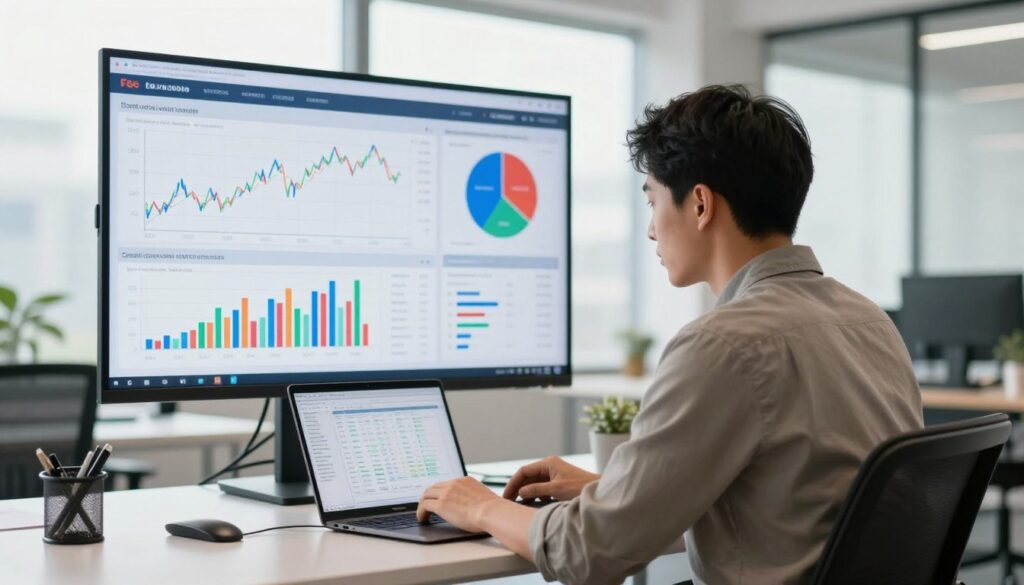
Understanding the costs associated with currency trading is vital for maximizing profits. Various fees can significantly impact overall profitability in the market. Traders must be aware of these expenses to make informed decisions.
Here are the main types of costs to consider:
Understanding Spreads, Commissions, and Holding Costs
- Spreads: The difference between the buy and sell price acts as a built-in fee for every trade executed.
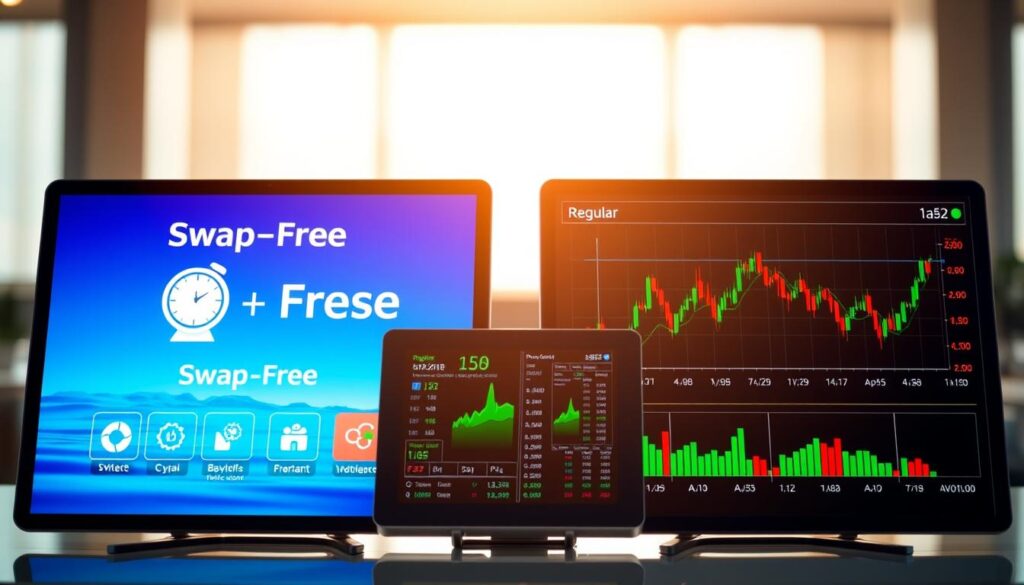
- Holding Costs: Also known as swap fees, these are applied when keeping a position open overnight, reflecting interest rate differentials between currencies.
- Commissions: Some brokers charge a commission for smaller trade sizes, which can significantly affect profits or losses.
- Fee Schedule: Always review your broker’s fee schedule to understand how these costs will impact your budget and long-term trading strategy.
Building Confidence Through a Demo Account
A demo account serves as a crucial stepping stone for aspiring traders looking to build their confidence. It offers a risk-free environment to test strategies and understand market dynamics without the fear of losing real money.
Transitioning from a demo account to a live trading account should only happen once a trader feels comfortable with their risk management techniques. This transition is essential to ensure that they can handle the emotional and financial pressures of live trading.
During practice, traders should focus on getting accustomed to the platform’s tools, such as charting software and order ticketing systems. This familiarity can significantly enhance their efficiency when they start trading live.
- A demo account is the best environment for beginners to build confidence and test their strategies without risking real money.
- Many successful traders continue to use a demo account to test new strategies even after they have started live trading.
- The goal of practice is to develop a consistent trading mentality that will serve you well in the volatile live market.
Overcoming Psychological Challenges in Trading

Developing a strong psychological framework is essential for anyone involved in currency speculation. Traders often face emotional hurdles that can cloud their judgment. Challenges such as fear and overconfidence may lead to impulsive decisions, increasing overall risk.
Staying disciplined is vital, especially when the market becomes volatile. Adhering to a well-defined trading plan helps maintain focus, even during emotional highs and lows. Successful traders treat their psychology as a continuous journey, regularly assessing their emotional state after each trade.
Maintaining emotional control is crucial for long-term success. It ensures that traders do not stray from their established risk management rules. Keeping a trading journal can be beneficial. It allows individuals to track their progress and identify psychological triggers that may lead to poor decisions.
Staying Informed with Real-Time Market News
In the fast-paced world of currency exchange, being updated with real-time market news is essential. Economic events can trigger sudden price fluctuations, impacting trading decisions significantly. Therefore, staying informed helps traders react promptly to these changes.
Modern trading platforms and mobile applications enhance accessibility to vital market data. They provide tools like charting software and order ticketing, allowing traders to manage their positions from anywhere.
Moreover, many platforms offer access to a wide range of financial instruments beyond just currency pairs. This includes indices, commodities, and shares, enabling effective portfolio diversification.
- Staying informed with real-time market news is crucial, as economic events can cause sudden and significant price fluctuations.
- Modern trading platforms and mobile apps provide access to charting software and order ticketing, allowing you to manage positions anywhere.
- Besides currency pairs, many platforms offer access to thousands of financial instruments, including indices, commodities, and shares, for portfolio diversification.
- Utilizing these digital tools helps you monitor your open positions and react quickly to changing conditions in the global market.
- Reliable platforms provide the data and analysis necessary to make informed decisions, ensuring you are always prepared for market shifts.
Bringing It All Together in Your Forex Journey
Your journey in the currency market is a continuous process of learning and refining strategies. Mastering the basics and adhering to strict risk management can help you navigate this complex environment.
Every trade is an opportunity to learn. Regularly reviewing your performance can enhance your future results. Staying disciplined and managing emotions is crucial for success.
Never stop educating yourself about the factors that influence currency values. With the right tools, a solid plan, and a commitment to practice, you can build the confidence needed to trade effectively.