The world of precious metals, particularly the yellow metal, has always intrigued investors. Understanding the gold price forecast is crucial for anyone looking to navigate this complex market. Recent projections from J.P. Morgan Global Research suggest that gold could reach $6,000 per ounce by the end of 2026. This forecast highlights the importance of staying informed about the evolving dynamics of the market.
Throughout early 2026, the spot value of gold has shown a sideways trend. This behavior indicates a need for investors to examine the factors influencing these movements. This guide aims to provide a detailed analysis of how various elements affect the demand and overall performance of gold.
By exploring macroeconomic trends and the strategies of major financial institutions, readers will gain insights into the market’s future. Understanding these aspects is essential for making informed decisions regarding investments in precious metals.
Understanding the Gold Market Landscape
Throughout history, the allure of precious metals has captivated investors. These metals, especially gold, have been utilized as a store of value for thousands of years. Their significance extends beyond mere aesthetics; they play a crucial role in investment portfolios.
Precious metals like gold serve as a foundational asset for diversifying against systemic risks in the global financial system. Many sophisticated investors allocate a portion of their capital to these metals to ensure long-term stability during economic volatility.
The gold market continues to attract interest from those who view it as a reliable store of value. By integrating gold into a broader investment strategy, individuals can better manage risks associated with traditional stocks and bonds.
Moreover, our analysis highlights how this yellow metal functions as a unique asset class. It behaves differently than standard paper-based financial instruments, providing both psychological and financial benefits for investors.
Economic and Geopolitical Influences on Gold Prices

The dynamics of the market are often swayed by various economic and geopolitical factors. Understanding these influences is essential for investors seeking to navigate the complexities of precious metals. The interplay between political uncertainty and monetary policy can significantly affect market trends.
For instance, the Federal Reserve’s decisions on interest rates are pivotal. A higher interest rate generally diminishes the appeal of non-yielding assets, such as precious metals. Furthermore, persistent inflation trends compel the central bank to consider aggressive hiking cycles, impacting the strength of the U.S. dollar.
Global political uncertainty also plays a critical role. Ongoing conflicts, like those involving Iran and Israel, create risk premiums that can drive demand for gold. Economic data, including nonfarm payrolls, provides insights into whether the U.S. economy can maintain its growth trajectory.
- Investors monitor fluctuations in the dollar against other world currencies.
- Geopolitical tensions often lead to a flight to safety in precious metal holdings.
- Current job growth projections indicate a resilient economy despite rising inflation.
Technical Insights into XAUUSD Movements
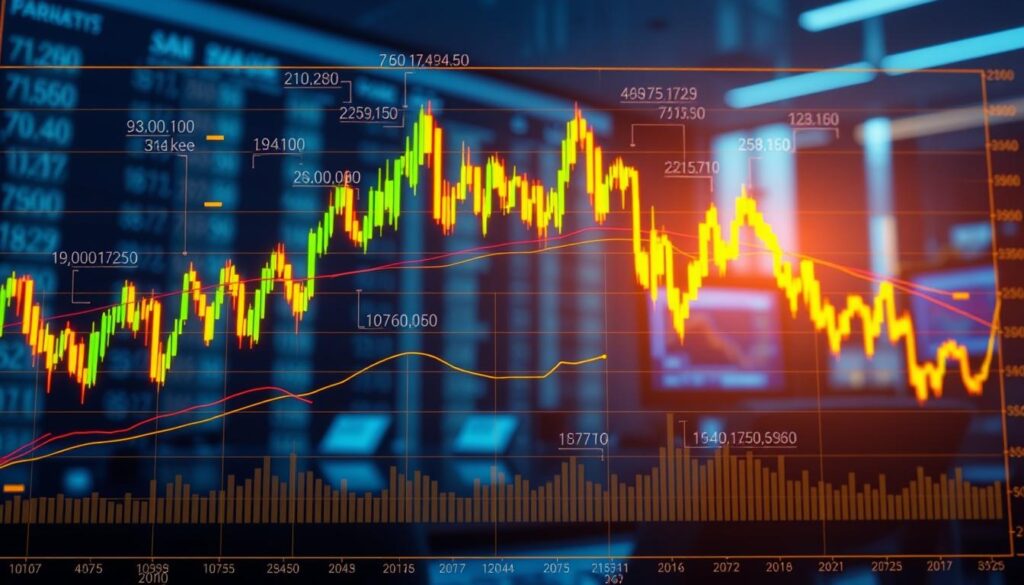
In the realm of precious metals, technical analysis plays a pivotal role in understanding market movements. Recent trends indicate that the gold price is currently facing challenges in reclaiming key levels. For instance, the 21-day simple moving average (SMA) stands at $4,240.86, which traders are closely monitoring.
Moreover, the recent confirmation of a Death Cross—where the 50-day SMA dips below the 200-day SMA—serves as a significant bearish signal. This development has caught the attention of traders who are vigilant about the XAUUSD pair’s performance.
Greg Shearer from J.P. Morgan notes that gold is trading above the 200-day SMA of $4,340/oz but is capped by resistance at the 50-day SMA of $4,730/oz. Traders often look for chart patterns and moving averages to identify potential entry points when the metal hits new local lows.
While silver and other commodities exhibit unique patterns, gold remains the primary focus for those analyzing long-term price factors. Understanding these technical indicators is essential for investors navigating the current market uncertainties.
Comprehensive gold price forecast and Market Outlook

As the market evolves, projections for the yellow metal’s value continue to attract significant attention. Analysts from J.P. Morgan Global Research predict that prices could reach $6,000 per ounce by the end of 2026. This optimistic forecast reflects the intricate relationship between central bank policies and the broader economic landscape.
Furthermore, the long-term outlook suggests a potential rise to $6,300 per ounce by the end of 2027. Investors should be aware that while fluctuations may occur in the short term, the overall trajectory remains positive due to sustained demand.
- This comprehensive gold price forecast indicates a promising appreciation as we approach 2027.
- Analysts maintain a favorable outlook, anticipating a climb toward $6,000/oz in late 2026.
- Market dynamics reflect a blend of historical trends and current data, guiding investment strategies.
- Understanding these projections can enhance your potential for capital growth in precious metals.
Influence of Central Bank Activity on Gold Demand

Central banks play a critical role in shaping the demand for precious metals. Their purchasing activities can set a foundation for the global market. Between 2021 and 2025, central banks purchased an average of 225 tons of gold per quarter, demonstrating their commitment to maintaining reserves.
While reported purchases appeared to cool in early 2026, unreported buying remains strong. For instance, China imported 317 tons of gold in the first quarter of 2026, indicating robust strategic reserve building. This shift is largely a response to the freezing of Russian assets, prompting nations to reassess their dollar holdings.
- Central banks’ buying activity often sets the floor for the global gold price.
- There is no mandatory rule for reporting gold purchases to the IMF, leading to significant unreported demand.
- Understanding the difference between reported and unreported purchases is crucial for investors tracking true demand.
- Major world powers are systematically increasing their physical gold reserves.
Investor Behavior and Market Sentiment Shifts

Investor sentiment can rapidly shift based on current events and market dynamics. This volatility is particularly evident in the gold market, where various factors influence demand.
Regional conflicts often trigger a flight to safety, leading investors to consider precious metals as a hedge against instability. However, persistent ETF outflows represent a challenge when investors seek higher yields from assets like U.S. Treasuries.
Regional Conflicts and Shifting Risk Appetite
Geopolitical news regarding the Middle East continues to drive rapid shifts in investor sentiment and risk appetite. Investors must remain vigilant as these developments can impact market trends significantly.
ETF Outflows and Institutional Investment Trends
Institutional investors are currently re-evaluating their gold holdings as the Federal Reserve maintains a hawkish stance on interest rates. This environment creates a complex landscape for gold as a viable investment.
- When geopolitical news triggers a flight to safety, gold often benefits.
- However, persistent ETF outflows can dampen overall price momentum.
- The behavior of investors in the gold market is sensitive to developments in the U.S. dollar.
- Our analysis covers how institutional investment trends shape the current landscape.
- Investors should consider how regional conflicts and economic news create a volatile environment for precious metal assets.
Alternative Demand Channels and Portfolio Rebalancing

The demand for precious metals is being reshaped by new channels of investment and institutional strategies. Recently, China’s top 10 insurance companies received approval to allocate up to 1% of their assets under management to physical gold. This marks a significant shift in how large institutions view precious metals.
Industry experts suggest that this allocation cap could eventually rise to 5%. Such a move would indicate a growing trend of diversification among these firms. By investing in physical gold, they aim to protect their assets against the long-term erosion of purchasing power.
Insurance Firms and Institutional Diversification
Insurance firms are emerging as a new source of demand for gold, providing a stable floor for the value of the metal. As these companies begin to disclose their holdings, the market may see a notable shift in the demand for both gold and silver.
Long-Term Investment Strategies in Precious Metals
Our analysis provides the information you need to understand how institutional diversification is changing the way metals are valued globally. Investors can learn from these large-scale strategies to better manage their own capital and ensure their portfolios remain resilient over time.
Integrating Multi-Source Data for Informed Analysis
Investors today are increasingly relying on a combination of diverse data sources to make informed decisions in the precious metals market. This integration is essential for creating an accurate forecast that accounts for both technical and fundamental factors.
Insights from J.P. Morgan Global Research offer a professional perspective on how the gold price is likely to behave in the coming years. By cross-referencing technical chart data with global economic reports, a more holistic view of the market emerges.
- Our analysis ensures that you have the most reliable information to make informed decisions about your gold and precious metal investments.
- We demonstrate how to combine different data streams to identify the key factors that drive the gold price in various market conditions.
- This section highlights the importance of using high-quality research to navigate the complexities of the gold price and its future trends.
Weekly Trends and Near-Term Forecasts
The recent downturn in precious metals has sparked interest among traders keen on identifying potential opportunities. Recently, gold fell below the $4,000 mark, reaching its lowest level since November. However, it has found a temporary foothold, indicating that traders should remain vigilant.
To effectively analyze short-term price fluctuations, it is essential to consider weekly trends and the factors influencing demand. Our experts provide valuable insights through weekly updates, helping investors stay ahead of the market.
- Short-term fluctuations require close monitoring of the latest trends and market factors.
- Weekly forecasts assist traders in capitalizing on short-term opportunities.
- As gold prices hit new lows, analysis helps determine if these levels represent a buying opportunity.
- We track how silver and other commodities respond to market news affecting gold prices.
- By following near-term forecasts, investors can better understand current market volatility.
- Our updates offer actionable insights for those looking to navigate the latest gold price movements.
Evaluating Gold as a Safe Haven in Uncertain Times
In turbulent economic climates, many investors turn to precious metals as a reliable safeguard. The World Gold Council emphasizes that this metal serves as the ultimate hedge against the loss of purchasing power during times of trouble.
Gold is widely recognized as a safe haven asset that protects wealth when currency debasement and inflation threaten global financial stability. Understanding its role is essential for investors aiming to preserve their assets in volatile markets.
- Evaluating gold as a safe haven is critical during times of geopolitical uncertainty and rising inflation.
- As a hedge against currency debasement, it provides a way for investors to protect their assets when central banks pursue aggressive monetary policy.
- Historically, gold has performed well when other financial markets face significant risk and volatility.
- Analyzing how gold prices react to global economic factors reveals why it remains a preferred asset for long-term wealth preservation.
- By understanding the role of gold as a safe haven, investors can navigate the uncertainty that defines the current global financial landscape.
- This analysis provides the information needed to decide if gold should be a core component of investment strategies during these challenging times.
Final Reflections on Gold Price Trends and Investment Strategies
The allure of investing in precious metals remains strong, particularly as market conditions evolve and present new opportunities. In conclusion, the long-term outlook for gold prices is positive, bolstered by robust central bank demand and the need for a reliable hedge against inflation.
Investors should remain vigilant and monitor the factors that influence these prices, including Federal Reserve policies and global geopolitical developments. By maintaining a disciplined investment strategy, one can leverage the unique properties of precious metals to safeguard wealth during uncertain times.
We invite you to join the Golden Meadow community to enhance your personal growth and balance your financial goals. Thank you for exploring our comprehensive guide on the precious metals market. We hope these insights empower you to achieve your long-term investment objectives.